The Ultimate Showdown: Samsung Galaxy S25 Edge vs Honor 400 for 2026
In 2026, smartphone buyers face more choices than ever. Two names that frequently come up in conversations about value and flagship ambition are the Samsung Galaxy S25 Edge and the Honor 400. One represents Samsung’s long-running flagship pedigree and polish; the other emphasizes aggressive value, clean hardware, and often surprising performance for its price segment. This article offers a detailed, practical comparison aimed at readers who want to understand how these phones perform in real-world scenarios — photography, daily productivity, gaming, battery life, long-term software support and typical buyer priorities.
Introduction: What matters in 2026
Buyers in 2026 care about more than raw specs. The most relevant considerations include sustained performance under load, camera quality in varied lighting, display comfort for extended reading and media consumption, battery longevity over months and years, update policy and long-term security, and the ecosystem advantages of each brand. Beyond that, real-world ergonomics — how the device feels in the hand, how it handles daily workflows, and how well it integrates with accessories — often determine satisfaction more than a single benchmark number.
Quick positioning: Where each phone fits
- Samsung Galaxy S25 Edge — Positions itself as a premium flagship focused on top-tier hardware, display innovation, photography versatility, and long-term software support. It typically appeals to users who prioritize the best overall experience, frequent OS updates, and best-in-class displays.
- Honor 400 — Sits as a competitive value or upper-midrange device, offering a compelling mix of strong performance, attractive design, and camera capabilities at a lower price point. It appeals to buyers who want flagship-like features without flagship pricing and who prioritize value per dollar.
Detailed product analysis
Design and build
The Galaxy S25 Edge continues Samsung’s tradition of refined materials and fit-and-finish. The curved-edge display is both a design signature and a usability choice: it creates an immersive look and allows edge gestures, but can introduce occasional accidental touches without thoughtful software mitigation. Samsung’s attention to haptics and button placement generally yields a premium tactile experience. For buyers who value a statement device and durable construction, the S25 Edge aims to deliver.
The Honor 400 often focuses on striking color finishes, slim profiles, and a lightweight feel. Honor tends to prioritize ergonomics and a glossy or matte back finish that resists fingerprints. The company balances premium looks with cost-effective material choices, which means the Honor 400 can feel very modern but sometimes lacks the same weighty solidity of higher-end flagships. Buyers who prefer a lighter, stylish phone that’s comfortable for one-handed use are likely to appreciate Honor’s approach.
Display
Samsung’s displays are widely considered the best in the business. The S25 Edge is expected to feature an advanced AMOLED panel with high brightness, deep blacks, wide color gamut, and adaptive refresh rate that balances smoothness with battery life. For media consumption, color-critical work, and outdoor visibility, Samsung’s tuning typically leads the field. The curved edges add immersion for video and multitasking, but shoppers who often use screen protectors should check compatibility.
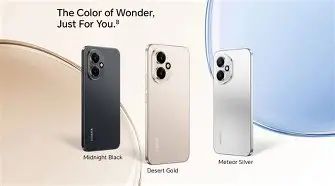
Honor’s displays have improved substantially, offering crisp OLED panels with high refresh rates and accurate color reproduction. The Honor 400 aims to provide excellent day-to-day viewing and gaming experiences, though peak brightness and HDR tone mapping may not reach the same extremes as Samsung’s flagship. For buyers watching a lot of streaming content indoors or gaming, the Honor 400’s display represents strong value.

Performance and thermal behavior
Samsung’s flagship line typically uses the latest generation flagship SoC or Samsung’s customized options depending on region, paired with robust RAM and storage configurations. This combination yields strong single-threaded performance and excellent multitasking. More importantly, Samsung invests in thermal design and sustained performance tuning, which helps maintain higher frame rates in long gaming sessions and intensive apps.
Honor 400 tends to use efficient mid-to-upper-range chips that can surprise in everyday performance and lighter gaming. The Honor’s advantage is often power efficiency and a software stack tuned for smoothness. However, sustained heavy workloads (multi-hour mobile gaming or extended 4K video exports) may show the difference, with the S25 Edge better equipped to hold peak performance for longer.
Cameras: versatility vs value
Camera systems are a major differentiator. Samsung usually equips its S-series with a flexible multi-camera array: a high-resolution primary sensor with advanced image processing, telephoto options for true optical zoom, and ultrawide lenses for versatility. Samsung’s computational photography, night modes, and video processing are refined, offering reliable results across lighting conditions — a key benefit for users who demand consistent photos without extensive manual tweaking.
Find top-rated Mobile Phones products at great prices.
Browse Now →Honor cameras emphasize value and strong AI-powered processing. The Honor 400 often performs well in daylight and uses software to enhance images for social sharing. Low-light performance and telephoto capability may lag behind Samsung’s hardware-rich approach, but for many everyday users — social photos, quick snaps, and casual video — Honor delivers satisfying images at a lower cost.
Battery life and charging
Both phones aim for a full day of heavy use with typical settings. Samsung typically balances battery capacity and display efficiency with adaptive refresh rates and aggressive background management. The S25 Edge often offers fast wired charging and competitive wireless charging speeds, alongside reverse wireless charging in some configurations.
Honor prioritizes efficient hardware-software pairing and frequently offers very fast wired charging solutions — sometimes faster than flagships at a lower cost — enabling quick top-ups that suit busy users. Wireless charging support on Honor devices varies; buyers who rely on wireless charging should verify the feature set for the specific Honor 400 variant under consideration.
Software and updates
Software experience is critical. Samsung’s One UI has matured into a feature-rich, stable platform with strong integration across …Honor’s Magic UI (or its regional name) focuses on a lean experience with helpful additions for performance and battery management. Historically, Honor’s update cadence has improved, but it typically does not match Samsung’s guaranteed multi-year OS update commitments. Buyers who prioritize long-term software updates and security patches may favor Samsung for peace of mind.
Extras: ecosystem and services
Samsung’s ecosystem — from tablets and watches to TV integration and Samsung Pay — creates cross-device conveniences that matter to some buyers. Advanced features like DeX or continuity with notebooks may add value for productivity-focused users.
Honor is improving its ecosystem but remains more limited in services compared to Samsung. The Honor 400’s strengths are often in straightforward value and hardware parity where it matters most, but buyers who rely on a broad connected-device experience may find Samsung’s ecosystem more compelling.
Pros & Cons
Samsung Galaxy S25 Edge
- Pros: Best-in-class display quality and brightness; versatile camera system with reliable low-light and zoom capabilities; strong sustained performance; long-term software updates and security support; mature ecosystem features (accessories, cross-device integration).
- Cons: Higher price point; curved display can increase accidental touches and complicate some screen protector choices; flagship specs may be overkill for casual users focused on value.
Honor 400
- Pros: Strong value proposition with capable display and cameras for the price; efficient performance and fast wired charging; stylish design and comfortable ergonomics; attractive cost-to-feature balance.
- Cons: Software update commitment typically shorter than Samsung’s; fewer flagship-level camera hardware options (optical zoom); ecosystem and accessory ecosystem not as extensive.
Comparison table
| Category | Samsung Galaxy S25 Edge | Honor 400 |
|---|---|---|
| Positioning | Premium flagship | Upper-midrange / value-focused |
| Design | Premium materials, curved-edge display, polished haptics | Lightweight, stylish finishes, ergonomic focus |
| Display | Top-tier AMOLED, high brightness, adaptive refresh | High-quality OLED, high refresh rate, excellent value |
| Performance | Flagship-class SoC, strong sustained performance | Efficient mid/upper-range SoC, very good day-to-day speed |
| Cameras | Versatile multi-lens system, reliable low-light and zoom | Great daylight shots, AI enhancements, limited zoom |
| Battery & Charging | Balanced battery life, fast wired & wireless charging | Competitive battery life, often very fast wired charging |
| Software & Updates | Feature-rich One UI, long OS & security update window | Lean UI, improving updates but shorter guaranteed support |
| Ecosystem | Extensive (wearables, tablets, TVs, Samsung services) | Growing but limited compared with Samsung |
| Price | Higher — flagship pricing | Lower — value-oriented pricing |
Real-world use cases and which phone suits them
Photography enthusiasts
For users who frequently shoot in varied conditions — night mode shots, telephoto zooms, and pro-style controls — the S25 Edge’s camera versatility and processing consistency typically offer an advantage. Samsung’s post-processing tends to be more neutral and reliable for prints or professional use.
Find top-rated Mobile Phones products at great prices.
Browse Now →Social sharers and casual photographers
Those who mainly post to social platforms, capture family moments, or prioritize battery life and speed of sharing will find the Honor 400 delivers excellent results for the price. Its AI enhancements make quick edits and share-ready images without much manual intervention.
Mobile gamers
Gamers seeking the smoothest long sessions with minimal thermal throttling will lean toward the S25 Edge due to its thermal design and sustained performance optimization. Casual gamers enjoying titles for short bursts will find the Honor 400 more than capable and appreciate the cost savings.
Productivity and multitasking
Users who rely heavily on split-screen apps, document editing, DeX or laptop-like modes, and regular software upgrades should favor Samsung. The company’s software features and ongoing update policy make the S25 Edge a safer long-term investment for productivity-focused buyers.
Budget-conscious buyers who want flagship feel
The Honor 400 is ideal for buyers who want many flagship-like traits — premium display, solid cameras, quick charging — without flagship sticker shock. It’s the practical choice for everyday use where absolute top-tier specs are less important than overall value.
Buying guide: How to choose between the Galaxy S25 Edge and Honor 400
- Budget vs longevity: If the budget allows and long-term software support is a priority, the S25 Edge’s higher price often comes with a longer official update promise. For tighter budgets that still demand good hardware, the Honor 400 delivers strong value.
- Camera priorities: Prioritize the S25 Edge if optical zoom, consistent low-light performance, and versatile lenses are essential. Choose the Honor 400 if social-ready images, fast processing, and daylight performance matter more than advanced zoom.
- Display and media consumption: For the brightest outdoor visibility, most accurate color work and feature-rich display options, Samsung is the likely pick. If a high-refresh OLED with great color at a lower price is sufficient, Honor is a sensible alternative.
- Charging habits: Users who frequently top up quickly and want industry-leading wired charging speeds may prefer Honor’s aggressive charging solutions; those needing wireless charging or reverse charging should verify Samsung’s options in their market.
- Software ecosystem: Choose Samsung if integration with other devices (tablets, watches, smart TVs) or a mature app and accessory ecosystem matters. Honor is improving here, but it’s not as comprehensive.
- Resale and longevity: Flagship models from Samsung often retain resale value better due to ongoing software support and brand perception; Honor devices can offer better short-term value but may depreciate faster.
Practical tips before purchasing
- Check local variant differences: specifications, SoC, and charging features can differ by region.
- Test ergonomics in-store if possible: curved displays, weight, and button placement affect daily comfort.
- Confirm update policy and warranty terms for the buyer’s country; update length can be a multiplier on total device value.
- Consider storage needs and whether the chosen model supports expandable storage or offers higher internal storage tiers.
- Evaluate accessory ecosystems if a watch, earbuds, or tablet integration is planned — the brand ecosystem can improve overall convenience.
Conclusion
In the 2026 smartphone landscape, the Samsung Galaxy S25 Edge and the Honor 400 address different—but overlapping—buyer needs. The S25 Edge is a choice for those who want the most refined display, camera versatility, sustained performance and long-term software support. The Honor 400 appeals to buyers seeking strong everyday performance, attractive design, very fast charging, and a compelling price-to-feature ratio. Both phones can satisfy most users; the right pick depends on priorities: longevity and absolute polish (Samsung) versus value and rapid charging convenience (Honor).
Ultimately, prospective buyers should prioritize the features that align with how the phone will be used day-to-day — photography, media consumption, gaming, or productivity — and weigh those against budget and expected ownership duration. Either way, both devices represent credible options in 2026 for different segments of the smartphone market.